
Understanding HCG: Purpose, Levels, and More Explained
Key Highlights
- Human chorionic gonadotropin (hCG) is a key hormone produced during early pregnancy.
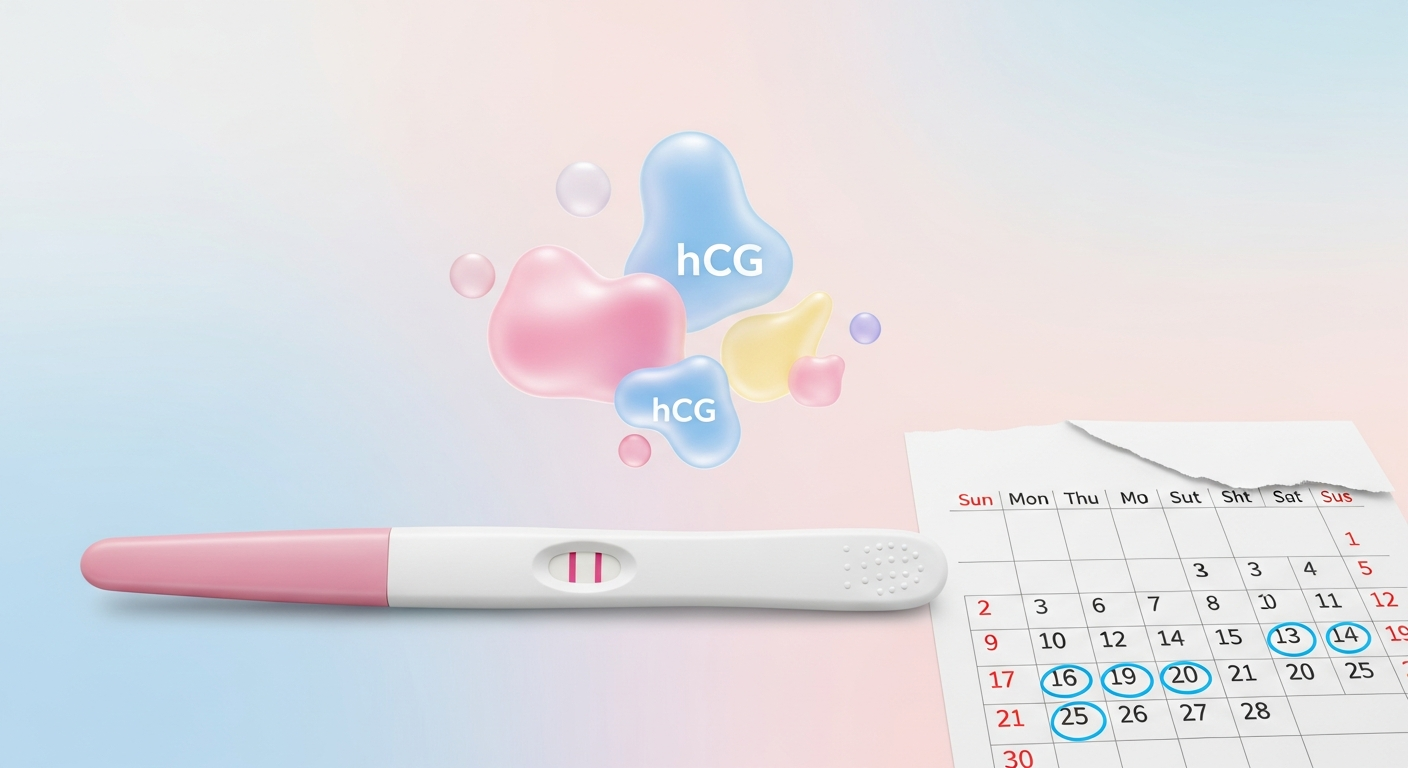
- Pregnancy tests, both urine and blood-based, work by detecting the hCG level.
- A blood test can provide a quantitative measure of hCG, helping to estimate gestational age.
- hCG levels typically double every 24 hours during the first eight weeks of a healthy pregnancy.
- Beyond pregnancy, hCG can also be a marker for certain medical conditions.
- The accuracy of pregnancy tests depends on the detection of this crucial hormone.
Introduction
Have you ever wondered what that positive line on a pregnancy test actually means? It’s detecting a special hormone called human chorionic gonadotropin, often known as the “pregnancy hormone.” This hormone is produced by cells that will eventually form the placenta, and it plays a vital role in supporting the early stages of pregnancy. Understanding hCG is key to understanding how your body confirms and sustains a pregnancy, especially during the crucial first trimester.
The Basics of Human Chorionic Gonadotropin (hCG)
Human chorionic gonadotropin, or hCG, is a hormone produced by trophoblast tissue, which is found in the early embryo. This tissue is essential as it later develops into the placenta. The primary job of this pregnancy hormone is to support the early stages of gestation.
Measuring the level of hCG can help confirm a pregnancy and monitor its progress. Your doctor can use these levels to distinguish between a normal and an abnormal pregnancy. Let’s explore what this hormone is made of and how it works inside your body.
Definition and Structure of hCG
So, what exactly is human chorionic gonadotropin? It’s a glycoprotein, which is a type of protein with sugar molecules attached. It is composed of two separate parts, known as the alpha and beta subunits. The alpha subunit of hCG is identical to the alpha subunits of other hormones in your body, like luteinizing hormone (LH) and follicle-stimulating hormone (FSH).
What makes hCG unique is its beta subunit. This part is different from other hormones, which is why pregnancy tests are designed to specifically detect the beta subunit of hCG. This ensures that the test doesn’t get confused with other hormones that are naturally present in your body.
When these two parts are joined, they form the intact hCG molecule. During pregnancy, your body produces several forms of the hormone, including the intact hCG and its free subunits. These are the molecules that are measured in both blood and urine tests to confirm pregnancy.
How hCG Functions in the Body
The main role of the pregnancy hormone hCG is to act as a messenger in early pregnancy. After an embryo implants in the uterus, the surrounding trophoblast cells start producing hCG. This hormone then signals the corpus luteum, a temporary structure in the ovary, to keep producing another vital hormone: progesterone.
The production of progesterone is crucial. This hormone enriches the lining of your uterus, making it a welcoming and nourishing environment for the growing fetus. Without the signal from hCG, the corpus luteum would break down, progesterone levels would drop, and the uterine lining would shed, ending the early pregnancy.
In essence, hCG’s functions include:
- Signaling the corpus luteum to continue its function.
- Ensuring a steady production of progesterone.
- Maintaining the uterine lining to support the embryo.
- Potentially playing a role in creating immune tolerance so the mother’s body accepts the fetus.
Understanding hCG Levels and Their Significance
Tracking the hCG level is a common practice during the first trimester. The amount of hCG in your blood can provide valuable information about your pregnancy. It not only confirms that you are pregnant but can also give an estimate of the gestational age.
A single hCG reading isn’t always enough to tell the whole story, as levels can vary widely from person to person. Often, doctors look at how the levels change over a couple of days to see if the pregnancy is progressing as expected. We will look closer at what normal ranges look like and how these levels change.
Normal hCG Ranges During Pregnancy
One of the most common questions after a positive pregnancy test is, “Is my hCG level normal?” It’s important to remember that the range for a “normal” hCG level is very wide and varies significantly from one person to another. These levels are measured in milli-international units per milliliter (mIU/mL).
During the first trimester, the hCG level rises rapidly. While a single number can be a useful starting point, doctors are often more interested in the doubling time of the hormone. The gestational age, usually calculated from the first day of your last menstrual period, is a key factor in interpreting these results.
Here is a general guide to typical hCG levels during pregnancy based on weeks of gestation:
| Weeks Since Last Menstrual Period (LMP) | Typical hCG Level (mIU/mL) |
|---|---|
| 3 weeks | 5 – 50 |
| 4 weeks | 5 – 428 |
| 5 weeks | 18 – 7,340 |
| 6 weeks | 1,080 – 56,500 |
| 7 – 8 weeks | 7,650 – 229,000 |
| 9 – 12 weeks | 25,700 – 288,000 |
| 13 – 16 weeks | 13,300 – 254,000 |
| 17 – 24 weeks | 4,060 – 165,400 |
| 25 – 40 weeks | 3,640 – 117,000 |
Changes in hCG Levels Over Time
In a typical early pregnancy, the change in your hCG level over time is more informative than a single measurement. During the first eight weeks of pregnancy, the total hCG levels in your blood are expected to rise exponentially. This rapid increase is a strong indicator of a viable pregnancy.
A common rule of thumb is that the hCG level should double approximately every 24 hours for the first eight weeks. After this initial surge, the rate of increase slows down. The hCG level typically peaks around 10 weeks of pregnancy, and then it begins to decrease. By about week 16, the levels stabilize and remain relatively constant for the rest of the pregnancy.
Key points about changing hCG levels include:
- A rapid, exponential rise in the first 8 weeks.
- Levels often double every 24 hours in very early pregnancy.
- The peak is usually around 10 weeks of gestation.
- Levels decline and then plateau from about week 16 until delivery.
hCG Testing: Methods and Interpretation
When you need to confirm a pregnancy or check on its progress, an hCG test is the way to go. There are two main ways to measure the level of hCG: a urine test, which you can do at home, and a blood test, which is done in a clinical setting. While both detect hCG, they provide different types of information.
A doctor might order an hCG blood test for several reasons, such as confirming an early pregnancy, monitoring a high-risk pregnancy, or investigating potential issues. Let’s examine the different types of tests and what their results mean.
Types of hCG Tests: Qualitative vs Quantitative
hCG tests come in two main forms: qualitative and quantitative. A qualitative test is the simpler of the two. It gives you a straightforward “yes” or “no” answer, indicating whether hCG is present in your system above a certain threshold. Home pregnancy tests that use a urine sample are a common example of a qualitative test.
On the other hand, a quantitative test measures the exact amount of hCG in your blood. This test, often called a beta hCG test, provides a specific number, like 50 mIU/mL. Doctors use this type of hCG test to track the progress of a pregnancy, estimate how far along you are, or screen for certain conditions.
Here’s a quick breakdown:
- Qualitative Test: Detects the presence of hCG.
- Result: Positive or negative.
- Example: Most home urine tests.
- Quantitative Test: Measures the specific amount of hCG.
How Tests Indicate Pregnancy
Pregnancy tests are designed for the detection of hCG. Whether it’s a home pregnancy test or one performed in a lab, the underlying principle is the same. These tests use special antibodies that bind to the hCG hormone if it is present in your urine or blood, triggering a positive result.
For a home pregnancy test, this positive result usually appears as a colored line, a plus sign, or a digital “Pregnant” message. The appearance of the control line confirms the test is working correctly. Blood tests are even more sensitive and can detect very low levels of hCG, sometimes as early as 6 to 12 days after ovulation.
The accuracy of these tests is very high when used correctly. A blood test is considered the most reliable method for the detection of pregnancy because it can measure even tiny amounts of hCG and provide a quantitative value, offering more detailed information than a simple positive or negative result.
Medical Uses of Beyond Pregnancy
While hCG is famous for its role in pregnancy, its usefulness extends into other areas of medicine. Elevated hCG levels in someone who is not pregnant can be a sign of certain health conditions. For example, some cancers, like germ cell tumors and testicular cancer, produce this hormone.
Therefore, doctors may use hCG tests as a tumor marker to help diagnose and monitor these conditions. The hormone is also used therapeutically through drug administration for specific treatments. We’ll now look at how hCG is used as a medical marker and in fertility therapies.
hCG as a Marker for Medical Conditions
Elevated hCG can sometimes signal the presence of specific medical issues. One such condition is gestational trophoblastic disease (GTD), which involves abnormal cell growth in the uterus. This includes conditions like a hydatidiform mole, also known as molar pregnancies, and choriocarcinoma, a rare type of cancer. In these cases, the abnormal trophoblastic tissue produces excessive amounts of hCG.
Because of this, measuring hCG levels is a crucial tool for diagnosing GTD and monitoring the effectiveness of treatment. Markedly high levels, especially when they don’t align with a normal pregnancy, can alert doctors to investigate further.
In rare instances, sources other than pregnancy or tumors can produce hCG. Small amounts of the hormone can be made in the pituitary gland, liver, and colon. Elevated levels can also be seen in patients with certain cancers, including those of the pancreas, bladder, stomach, and lung, making it a useful, though not definitive, tumor marker.
hCG in Fertility Treatments and Other Therapies
Beyond its diagnostic use, hCG is also a key player in treating infertility. Because its structure is so similar to luteinizing hormone (LH), hCG can be used to mimic the natural LH surge that triggers ovulation. In fertility treatments like in vitro fertilization (IVF), an injection of hCG is often used for final follicle maturation and to trigger the release of eggs from the ovaries.
This allows fertility specialists to precisely time procedures like egg retrieval or intrauterine insemination. The timing is critical, as ovulation typically occurs about 38 to 40 hours after the hCG injection.
Additionally, hCG is used for:
- Luteal Phase Support: After ovulation, hCG can be administered to support the corpus luteum, enhancing the production of progesterone and preparing the uterine lining for implantation.
- Male Infertility: In men, hCG can stimulate the testes to produce testosterone, which is essential for sperm production.
Factors Affecting hCG Levels
Several factors can influence the level of hCG, leading to results that might be confusing or misleading. Abnormal concentrations of hCG can result in false positives, suggesting a pregnancy when there isn’t one, or false negatives, which can cause a delay in care. These unexpected results can be caused by a variety of factors.
Conditions like early pregnancy loss, ectopic pregnancies, or even certain medications can affect hCG readings. It’s helpful to understand what might cause these abnormal results and what to consider when undergoing hCG testing.
Common Causes of Abnormal hCG Results
Getting an unexpected hCG result can be concerning, but there are many potential explanations for both false positives and false negatives. A false-positive result, though rare, can be caused by certain medical conditions that produce hCG, such as specific tumors or gestational trophoblastic disease. It can also be caused by heterophile antibodies in the blood that interfere with the test.
False negatives are more common, especially in very early pregnancy when hCG levels are too low to be detected. A dilute urine sample can also lead to a false-negative result on a home test. Conditions like ectopic pregnancies often show a slower-than-expected rise in hCG, while a sudden drop can indicate a pregnancy loss.
Common causes for abnormal results include:
- Testing too early: hCG levels may not be high enough for detection.
- Hook effect: Very high hCG levels can overwhelm a test, causing a false negative.
- Ectopic pregnancies: Often associated with slowly rising or plateauing hCG levels.
- Medications: Exogenous hCG used in fertility treatments will cause a positive test.
Risks and Considerations with hCG Testing
The process of hCG testing itself is very safe. A urine test has no risks, and a blood test carries only the minimal risks associated with any blood draw, such as slight bruising or discomfort at the injection site. The more significant considerations relate to the interpretation of the test results.
An abnormal hCG level doesn’t automatically mean there is a problem. hCG levels can vary widely, so one result is just a snapshot in time. Doctors often use serial testing—checking levels every couple of days—to get a clearer picture of what’s happening. This is especially important for assessing potential adverse pregnancy outcomes.
To ensure you get the most accurate results, it’s always best to follow the test instructions carefully, especially for at-home urine tests. If you have any concerns about your results, discussing them with your healthcare provider is the best course of action. They can interpret the findings in the context of your overall health.
Conclusion
In summary, understanding hCG is essential for various reasons ranging from pregnancy detection to its role in medical treatments. Knowing the normal ranges and fluctuations of hCG levels can provide valuable insights into both reproductive health and potential underlying medical conditions. With proper knowledge of testing methods and their interpretations, individuals can make informed decisions about their health. If you have more questions about hCG or need personalized guidance, don’t hesitate to reach out to us for a free consultation. Your health journey is important, and we’re here to help you navigate it with confidence!
Frequently Asked Questions
Are blood tests accurate for detecting pregnancy?
Yes, an hCG blood test is highly accurate for detecting pregnancy. It can detect a much lower level of hCG than urine-based pregnancy tests, allowing for earlier and more reliable detection. For the most accurate results, doctors often look at how the hCG level changes over time.
What is the difference between qualitative and quantitative tests?
A qualitative hCG test, like a common urine test, simply gives a “yes” or “no” answer for pregnancy. A quantitative hCG test, which is a blood test, measures the exact amount of the hormone. These detailed test results help doctors track the progress of a pregnancy.
Can hCG be used to detect health conditions other than pregnancy?
Yes, human chorionic gonadotropin can be a marker for conditions other than pregnancy. Elevated levels can indicate gestational trophoblastic disease or certain cancers, such as germ cell tumors and testicular cancer, which are characterized by abnormal trophoblast cells that produce the hormone.

Reviews
There are no reviews yet.