
Unlocking the Benefits of Tesofensine Peptide for Weight Loss

Key Highlights
Here’s a quick look at what makes the tesofensine peptide a unique option for weight loss support:
- Tesofensine is a triple monoamine reuptake inhibitor, which means it works by altering brain chemistry to aid in weight loss.
- It provides strong appetite suppression, helping you better manage your calorie intake and stick to your diet.
- Unlike many stimulants, it offers potential benefits for body composition without causing jitters or a racing heart.
- Clinical studies show it can lead to significant weight loss, primarily from fat mass.
- It supports the preservation of lean muscle during a calorie deficit, a crucial factor for athletes.
Introduction
Embarking on a weight loss journey often involves exploring different strategies to achieve your goals. If you’re looking for a novel approach, the tesofensine peptide might capture your interest. Originally studied for neurodegenerative conditions, this compound surprised researchers with its ability to induce significant weight loss. By influencing neurochemistry, it offers a unique way to manage appetite and improve body composition. This article will explore the potential benefits of tesofensine and how it works to support your weight management efforts.
Understanding Tesofensine Peptide in Weight Loss
The tesofensine peptide is gaining attention in the world of weight loss for its unique approach. Unlike many common fat burners, it functions as a triple monoamine reuptake inhibitor, which directly impacts your brain’s relationship with hunger. This leads to powerful appetite suppression, making it easier to maintain a calorie deficit.
What sets tesofensine apart is its different mechanism compared to other weight loss aids. Instead of relying on thermogenesis, it works on a neurochemical level. Let’s take a closer look at what this compound is and how it specifically helps with fat reduction.
What Is Tesofensine Peptide?
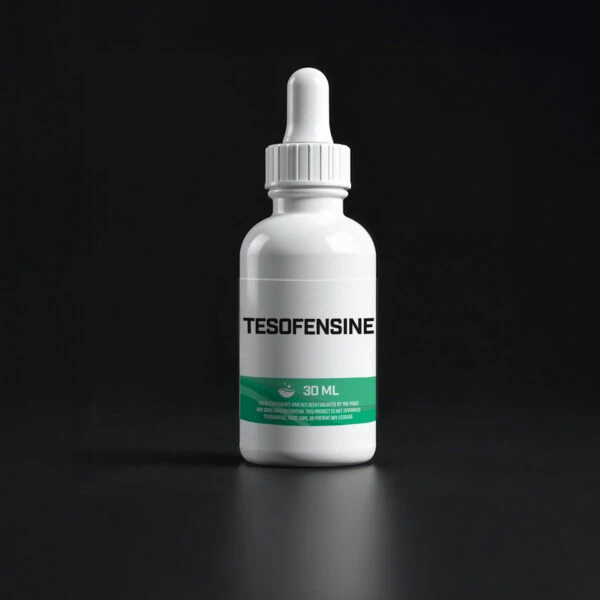
Tesofensine peptide is an investigational drug that falls into a rare class of compounds known as a triple monoamine reuptake inhibitor. It was initially developed to treat neurodegenerative diseases like Alzheimer’s disease and Parkinson’s. However, during clinical trials, researchers observed a remarkable side effect: participants experienced consistent and significant weight loss.
As a novel triple monoamine reuptake inhibitor, its mechanism of action is centered in the brain. It works by blocking the reabsorption of three key neurotransmitters: dopamine, norepinephrine, and serotonin. By increasing the levels of these chemicals in the brain, tesofensine helps regulate mood, reward, and, most importantly, appetite.
This unique function makes it a subject of great interest for obesity treatment. Its ability to alter brain chemistry provides a different pathway to weight management compared to traditional supplements.
How Tesofensine Supports Fat Reduction
Tesofensine primarily supports fat reduction by acting as a powerful appetite suppressant. By influencing neurotransmitters in the hypothalamus—the part of your brain that controls hunger—it helps you feel fuller for longer. This directly leads to a reduction in your overall caloric intake, which is essential for achieving body weight loss.
The impact on body composition is another key benefit. Studies have shown that the weight lost while using tesofensine is predominantly from fat mass, particularly visceral fat. This is the stubborn fat around your organs that can be difficult to lose through diet and exercise alone.
Furthermore, unlike some other weight loss aids that can cause muscle loss, tesofensine helps preserve lean muscle mass. This makes it an attractive option for athletes and individuals focused on improving their body composition, not just seeing a lower number on the scale.
Science Behind Tesofensine’s Mechanism of Action
The secret to tesofensine’s mechanism lies in its function as a triple reuptake inhibitor. By boosting neurotransmitter activity in the brain, it creates a cascade of effects that contribute to weight loss. The primary outcome is significant appetite suppression, which helps you naturally eat less without feeling deprived.
This neurochemical process also has an impact on your energy expenditure. By elevating certain brain chemicals, tesofensine can provide a mental and metabolic lift. To fully grasp how it works, we need to explore its effects on specific neurotransmitters and your metabolism.
Impact on Neurotransmitters and Appetite Regulation
Tesofensine is a monoamine reuptake inhibitor that influences three key neurotransmitters to regulate appetite. It works by increasing the available levels of dopamine, norepinephrine, and serotonin in the brain’s synapses. This prevents their reabsorption, amplifying their signaling power.
This enhanced neurotransmitter activity directly leads to robust appetite suppression. The hypothalamus, which is your body’s control center for hunger and satiety, becomes more sensitive to feelings of fullness. As a result, you feel satisfied with smaller meals and experience fewer cravings between them.
The impact of these neurotransmitters includes:
- Increased dopamine activity can improve mood and motivation, making it easier to stick to a diet.
- Higher norepinephrine levels contribute to increased mental energy and focus.
- Serotonin helps regulate mood and control impulsive food cravings.
Effects on Metabolism and Energy Expenditure
Beyond just controlling your calorie intake, tesofensine also appears to influence your metabolic rate. By increasing the levels of norepinephrine, it can gently elevate your resting energy expenditure. This means your body may burn more calories throughout the day, even when you are not physically active.
This metabolic boost contributes to a greater overall calorie deficit, accelerating the reduction of fat mass. Unlike harsh stimulants, tesofensine’s effect is more of a neurochemical “tuning” than a peripheral jolt to the system. This allows you to boost energy without the unwanted side effects of jitters or anxiety.
Some of the key metabolic effects include:
- An elevated metabolic tone, which supports more efficient calorie burning.
- Enhanced motivation and drive, which can lead to more active lifestyle choices.
- Targeted reduction of visceral and abdominal fat stores.
Notable Benefits of Tesofensine for Weight Management
The potential benefits of tesofensine extend beyond simple weight loss. Its unique mechanism offers a multifaceted approach to managing your body weight. The most significant advantage is superior appetite control, which is often the biggest hurdle in any weight loss journey. This can lead to significant weight loss that is sustainable over time.
Additionally, tesofensine helps you achieve a healthier body composition by targeting fat while preserving muscle. Let’s examine how its appetite suppression compares to other options and its role in protecting lean mass during a diet.
Enhanced Appetite Suppression Compared to Alternatives
One of the standout features of tesofensine is its power as an appetite suppressant. Its ability to modulate key neurotransmitters results in profound appetite suppression that many users find superior to other weight loss agents. This effect makes it much easier to adhere to a reduced-calorie diet.
By curbing hunger and reducing food cravings, tesofensine helps you naturally lower your calorie intake without feeling constantly deprived. This is a game-changer for long-term diet compliance and sustainable results. Unlike GLP-1 agonists that can cause nausea, tesofensine’s appetite control feels more natural.
Key advantages include:
- A significant reduction in hunger between meals.
- Better control over portion sizes and overall food consumption.
- A decrease in cravings for high-calorie, sugary foods.
Preservation of Lean Muscle During Caloric Deficit
A major challenge during a calorie deficit is losing lean muscle along with fat. This can negatively impact your metabolism and overall body composition. Tesofensine addresses this issue by helping to preserve muscle tissue during fat loss phases.
Clinical data shows that the reduction in body weight from using tesofensine is primarily from fat mass. This is a crucial differentiator for athletes, bodybuilders, and anyone who wants to achieve a toned, lean physique rather than just becoming “smaller.”
Benefits for muscle preservation include:
- Maintaining strength and performance throughout a cutting phase.
- Supporting a higher metabolic rate by protecting metabolically active muscle tissue.
- Achieving better overall body recomposition, with a focus on fat loss.
Clinical Findings and Research on Tesofensine Peptide
The promising effects of tesofensine are backed by compelling clinical data. A landmark clinical trial published in The Lancet highlighted its potential, showing significant body weight loss compared to a placebo. Although it is currently available for research purposes, these findings have sparked considerable interest in its therapeutic use for obesity.
While it has not yet received regulatory approval for commercial use as a weight loss drug, ongoing research continues to explore its benefits. Let’s review the results from human trials and compare its performance against other peptides.
Results from Human Trials in the United States
A notable clinical trial provided strong evidence of tesofensine’s effectiveness. This 24-week, randomized, double-blind, placebo-controlled study involved 203 obese individuals in the United States and other locations. Participants were given either a placebo, a 0.25 mg dose, a 0.5 mg dose, or a 1.0 mg dose of tesofensine daily.
The results after 24 weeks of treatment were impressive. The groups receiving tesofensine experienced significantly more body weight loss than the placebo group. The 0.5 mg dose emerged as the sweet spot, offering the best balance of efficacy and tolerability.
Here is a summary of the average weight loss observed in the trial:
| Dosage | Average Body Weight Loss |
|---|---|
| Placebo | 2.0% |
| 0.25 mg | 6.7% |
| 0.5 mg | 11.3% |
| 1.0 mg | 10.6% |
These findings demonstrated that tesofensine was more effective than many approved obesity drugs available at the time.
Key Insights from Comparative Studies with Other Peptides
When compared to other obesity medications, tesofensine stands out due to its completely different mechanism. While GLP-1 agonists like semaglutide work by mimicking a gut hormone to slow gastric emptying and signal fullness, tesofensine works centrally in the brain to control appetite.
This different mechanism offers a unique set of advantages. For instance, tesofensine provides a mental energy boost and enhances motivation, which can be beneficial for sticking to an exercise program. In contrast, some users of GLP-1s report fatigue and nausea.
Here’s how it compares:
- No Nausea: Unlike GLP-1s, tesofensine does not typically cause nausea or digestive issues at proper doses.
- Mental Drive: It enhances focus and energy, which can improve training performance.
- Muscle Sparing: It is particularly effective at preserving lean mass, making it ideal for athletes.
Safe Use, Dosage, and Potential Side Effects
Tesofensine generally has a favorable safety profile, especially at lower therapeutic doses. However, like any compound that acts on the central nervous system, it carries a risk of side effects. It’s important to understand the recommended dosage and be aware of its legal status as a research chemical.
Starting with a low dose and monitoring your body’s response is key to safe use. Let’s discuss the appropriate administration guidelines and the common side effects to watch out for.
Recommended Dosage and Administration Guidelines
Finding the right dosage is crucial for maximizing benefits while minimizing side effects. Clinical studies suggest that a daily mg dose between 0.25 mg and 1.0 mg is effective, with 0.5 mg being the most common and well-tolerated option for significant fat loss.
For drug administration, it is best to start with the lowest effective dose to assess your sensitivity. A starting dose of 0.25 mg per day is a good entry point for most new users. From there, you can gradually increase the dosage if needed, based on your results and tolerance.
Here are some general guidelines:
- Starting Dose: Begin with 0.25 mg per day to test your body’s reaction.
- Optimal Dose: 0.5 mg per day is often considered the clinical sweet spot for results and tolerability.
- Timing: Take your dose in the morning to maximize appetite suppression throughout the day and avoid potential sleep disturbances.
- Cycle Length: A typical cycle lasts between 8 to 12 weeks, followed by a break to manage tolerance.
Common Side Effects and Who Should Use Caution
While many users tolerate tesofensine well, some side effects can occur, especially at higher doses. The most common side effects are generally mild and tend to appear in the early weeks of treatment before subsiding. These include dry mouth and insomnia.
Because tesofensine can increase norepinephrine levels, it may cause a temporary increase in heart rate and blood pressure. Therefore, individuals with pre-existing cardiovascular disease or uncontrolled hypertension should avoid using this compound. Monitoring these vitals is important for anyone using tesofensine.
Caution is advised for the following individuals:
- Those with a history of severe anxiety or panic disorders.
- Anyone taking SSRIs, SNRIs, or MAO inhibitors due to the risk of serotonin syndrome.
- Pregnant or breastfeeding women, as safety data is not available for these groups.
Conclusion
In conclusion, Tesofensine peptide stands out as a promising option for weight loss, offering a unique approach to appetite regulation and metabolism enhancement. Its ability to suppress appetite effectively while preserving lean muscle mass during caloric deficits makes it an attractive choice for those looking to manage their weight sustainably. Additionally, the clinical findings provide confidence in its efficacy and safety when used responsibly. As you explore the possibilities of incorporating Tesofensine into your weight management journey, consider consulting with a healthcare professional to ensure it aligns with your personal goals and needs. Start unlocking the




Reviews
There are no reviews yet.