
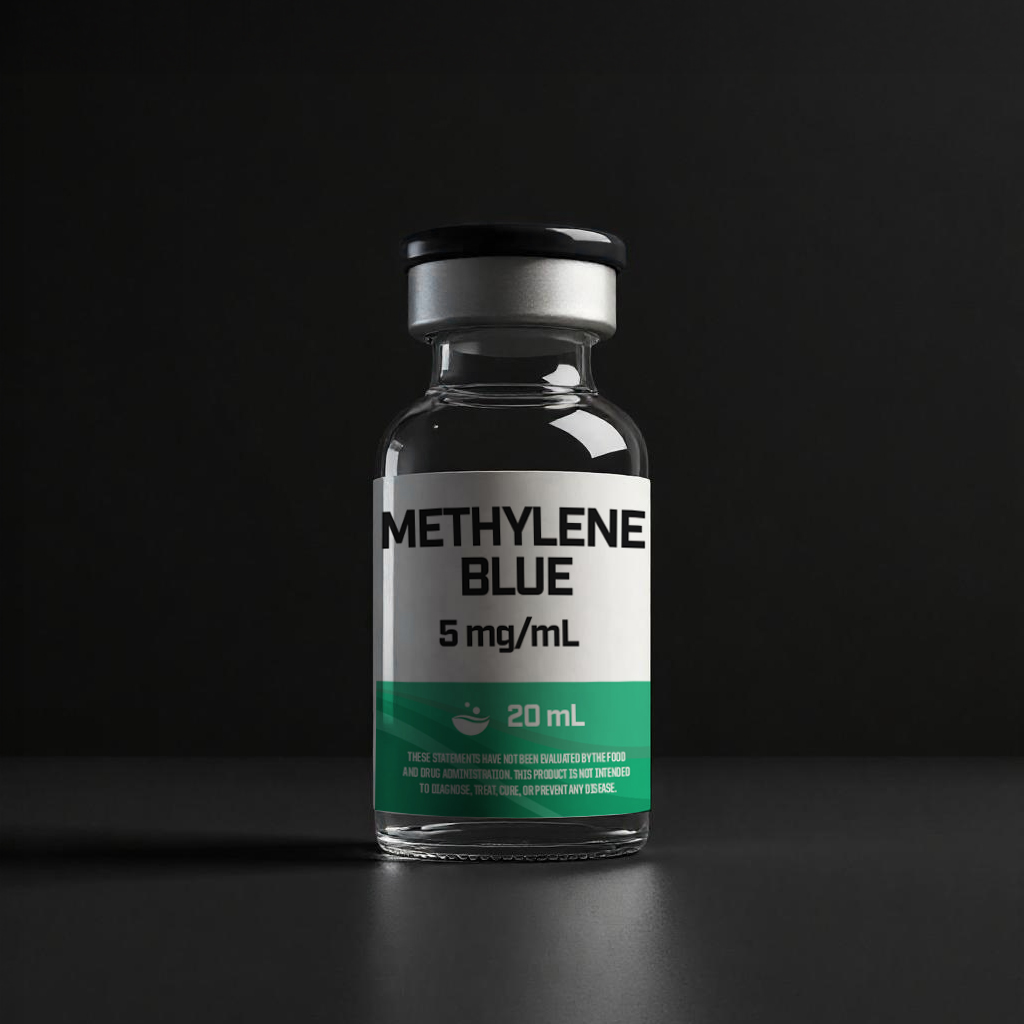
Methylene Blue Injectable: A Comprehensive Overview
Methylene Blue Injectable is a powerful medication used in various clinical settings, offering diverse therapeutic benefits. This well-known pharmaceutical product is widely utilized in medical practices to treat a range of conditions, including methemoglobinemia, cyanide poisoning, and as a diagnostic tool. In this article, we will explore its uses, benefits, safety profile, and much more to provide an insightful resource for both healthcare professionals and patients.
What Is Methylene Blue Injectable?
Methylene Blue Injectable is a sterile, aqueous solution of methylene blue, a synthetic dye, used for medical purposes. It is primarily administered intravenously (IV) and is known for its potent antioxidant, antimicrobial, and vasodilatory properties. The medication has been utilized for over a century due to its remarkable effectiveness in various therapeutic areas.
Uses of Methylene Blue Injectable
- Treatment of Methemoglobinemia
Methemoglobinemia is a condition where there is an abnormal increase in methemoglobin levels in the blood, reducing the oxygen-carrying capacity of red blood cells. Methylene Blue Injectable is considered the treatment of choice, rapidly converting methemoglobin back into hemoglobin, restoring normal oxygen levels. - Cyanide Poisoning
Cyanide poisoning can be life-threatening and requires immediate intervention. Methylene Blue Injectable serves as an adjunct in the treatment of cyanide toxicity, helping to mitigate the toxic effects and prevent organ damage. - Antimicrobial Activity
Methylene Blue is effective against various microorganisms, including bacteria and fungi. It is occasionally used as part of treatment protocols for infections, particularly in urinary tract infections (UTIs) and as a topical agent. - Diagnostic Tool
Methylene Blue is also employed in medical diagnostics. For example, it is used in certain surgical procedures and to visualize tissues or determine areas of concern within the body.
How Does Methylene Blue Injectable Work?
Methylene Blue Injectable functions by reducing methemoglobin to hemoglobin, enhancing oxygen delivery throughout the body. Additionally, it possesses vasodilatory properties, which help improve blood flow and reduce the impact of circulatory problems. The drug’s antioxidant properties also help in combating oxidative stress, which can be damaging to cells.
Dosage and Administration
The dosage varies depending on the condition being treated and the patient’s health status. For methemoglobinemia, the typical dose is administered intravenously, often starting at 1-2 mg/kg body weight. In the case of cyanide poisoning, the dosage is carefully adjusted by healthcare providers, usually based on the severity of poisoning.
Methylene Blue is typically administered in a hospital or healthcare setting where patients can be closely monitored for any potential side effects.
Side Effects
Like all medications, Methylene Blue Injectable may cause side effects. Common side effects include:
- Skin discoloration (temporary blue or greenish tint)
- Gastrointestinal upset (nausea, vomiting)
- Hypotension (low blood pressure)
- Headache and dizziness
Severe allergic reactions or more serious side effects are rare, but medical professionals should be alert to any signs of anaphylaxis, which could include difficulty breathing or swelling of the face or throat.
Precautions and Warnings
Before using , it is important to inform your healthcare provider about any medical conditions you have, including:
- Glucose-6-phosphate dehydrogenase (G6PD) deficiency – Methylene Blue can induce hemolysis (destruction of red blood cells) in patients with this genetic condition.
- Pregnancy and breastfeeding – Consult your healthcare provider as Methylene Blue may pose risks to a developing fetus or infant.
- Allergies – If you have a known allergy to Methylene Blue or any of its components, this drug should be avoided.
Where to Get
Methylene Blue Injectable is a prescription medication and can only be obtained through a licensed healthcare provider. It is generally available at hospitals, clinics, and pharmacies with access to injectable medications.
Conclusion
Methylene Blue Injectable is an essential pharmaceutical tool in the treatment of conditions like methemoglobinemia and cyanide poisoning. It is effective, fast-acting, and has a broad range of uses in both medical treatments and diagnostic procedures. However, like all medications, it should be administered by a healthcare professional, and potential side effects should be monitored. If you think Methylene Blue Injectable could be beneficial for your treatment, consult your healthcare provider to discuss the best options for your condition.
Reviews
There are no reviews yet.