
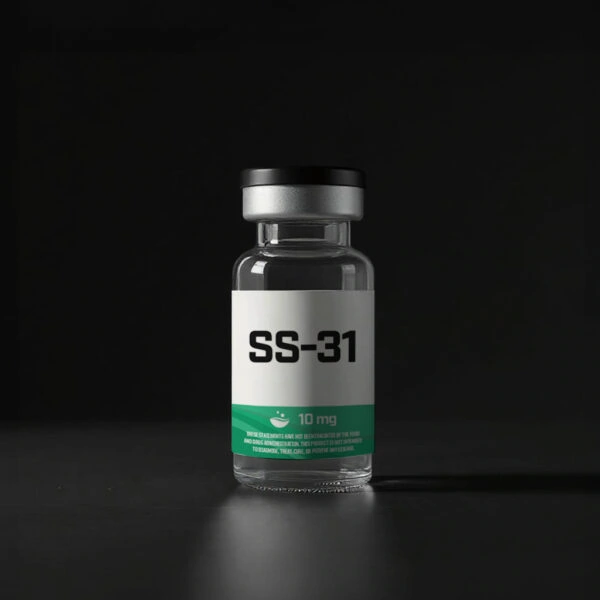

Understanding SS-31: Benefits and Safety Insights

Key Highlights
- It works by binding to cardiolipin in the inner mitochondrial membrane, reducing oxidative stress and improving energy production.
- Research shows significant cardioprotective effects, making it a subject of interest in heart failure studies.
- The peptide enhances cellular energy by optimizing the electron transport chain, boosting ATP production.
- SS-31 has demonstrated the ability to reverse certain age-related declines in animal models, showing promise for healthy aging.
Introduction
Have you ever wondered what powers your cells?
What Is SS-31 and Its Role in Mitochondrial Health
Its primary role is to enhance mitochondrial health and function, which is crucial for every organ in your body.
This targeted action allows it to directly address issues at the source of cellular energy production. We will now explore the specifics of this peptide, its structure, and how it accomplishes this unique targeting.
Overview of SS-31 Peptide (Elamipretide)
The SS-31 peptide, scientifically known as Elamipretide, is a synthetic tetrapeptide with the sequence D-Arg-dimethylTyr-Lys-Phe-NH2. Its design is a significant step forward in addressing mitochondrial dysfunction.
A review of its structure reveals an alternating pattern of aromatic and basic amino acids. This unique arrangement allows the peptide to penetrate cell and mitochondrial membranes without needing a specific transporter.
By focusing its action on the mitochondria, it provides a powerful tool for researchers studying cellular energy, oxidative stress, and the various health conditions linked to mitochondrial decline.
How SS-31 Targets Mitochondria
SS-31’s cationic nature and aromatic residues allow it to recognize and bind strongly to cardiolipin.Research using fluorescently labeled versions shows this uptake happens rapidly, within minutes of administration.
By anchoring itself to cardiolipin, SS-31 helps preserve mitochondrial membrane integrity. This ensures the components of the energy production system remain organized and efficient, protecting the cell’s powerhouse from damage and dysfunction.
SS-31, Elamipretide, Bendavia, and MTP-131 – Clarifying the Names
. Are SS-31, Elamipretide, Bendavia, and MTP-131 the same thing?
Understanding these distinctions can help clarify the scientific literature.
- Elamipretide: This is the generic, non-proprietary name assigned to the drug as it moved into clinical development.
SS-31 Mechanism of Action Explained
By targeting the inner mitochondrial membrane, it shields essential components from oxidative damage and improves the efficiency of electron transport.
This helps maintain mitochondrial bioenergetics, ensuring your cells produce energy effectively.
Cardiolipin Binding and Membrane Stabilization
SS-31’s primary action begins with its strong and specific binding to cardiolipin.
Research shows that by binding to cardiolipin, SS-31 shields it from oxidative degradation. .
This interaction promotes membrane stabilization, preserving the structural organization of the respiratory chain complexes. By maintaining mitochondrial integrity, SS-31 ensures the machinery for energy production remains intact and functional, even under stressful conditions.
Interactions with Mitochondrial Proteins
ANT is the gatekeeper that controls the movement of ADP (the raw material for energy) into the mitochondria and ATP (the finished energy currency) out.
By keeping it closed, SS-31 helps protect the cell from premature destruction.
Impact on Cellular Bioenergetics and ATP Production
The ultimate result of SS-31’s actions is a significant improvement in cellular bioenergetics and ATP production. By optimizing the structure and function of the mitochondria, the peptide makes the entire process of energy production more efficient.
One way it achieves this is by improving the organization of the respiratory supercomplexes. This allows for smoother electron transfer, which minimizes energy “leaks” that generate harmful free radicals.
This boost in ATP production provides cells with greater metabolic flexibility to meet changing energy demands.
Key Benefits of SS-31 Peptide
The key benefits of the SS-31 peptide all stem from its powerful mitochondrial protection capabilities. By restoring the health of our cellular powerhouses, it offers immense therapeutic potential for a range of conditions associated with aging and metabolic decline.
Mitochondrial Protection and Energy Enhancement
One of the most significant advantages of SS-31 is its direct action on mitochondrial protection. By stabilizing the inner mitochondrial membrane and shielding cardiolipin from damage, it directly counters the mitochondrial dysfunction that underlies many age-related issues.
This protection translates into tangible energy enhancement. With mitochondria running more efficiently, cells can produce more ATP, the body’s primary energy currency.
Individuals in studies experienced improvements in muscle function that correlated directly with better mitochondrial bioenergetics, showcasing the peptide’s ability to rejuvenate cellular energy systems.
Cardiac Support and Cardioprotective Effects
SS-31 has demonstrated remarkable cardioprotective effects, making it a major focus of cardiovascular research. SS-31 directly supports the heart by improving the health of these vital organelles.
In animal models of heart failure, chronic administration of SS-31 has led to sustained improvements in left ventricular function and a reversal of the metabolic changes associated with the disease. Studies show it helps restore the heart’s ability to efficiently use fatty acids and glucose for fuel.
Kidney Disease Applications and Renal Protection
It protects the kidneys by maintaining mitochondrial function and reducing the oxidative stress that leads to cell death in these situations.
For chronic conditions like diabetic nephropathy, SS-31 helps by protecting against the damage caused by high blood sugar. It preserves mitochondrial structure and function in kidney cells, reduces inflammation, and helps prevent the progression of renal fibrosis. These findings highlight its potential to help manage metabolic disorders that affect kidney health.
Neuroprotective Properties and Brain Health
The brain consumes a massive amount of energy, and maintaining mitochondrial health is essential for sharp cognitive function and protecting against neurodegeneration.
By reducing oxidative stress in neural cells and supporting energy production, SS-31 may help preserve brain function as we age.
SS-31 provides powerful protection by targeting the source of this stress: the mitochondria in neural cells. It works by reducing the production of harmful reactive oxygen species (ROS).
By stabilizing the electron transport chain, SS-31 minimizes the “leakage” of electrons that generate ROS. This helps maintain a stable mitochondrial membrane potential, which is crucial for neuronal health and communication.
Research in models of neuroinflammation shows that SS-31 can preserve mitochondrial function in the hippocampus, a key brain region for memory. It reduces the activation of inflammatory cells and lowers the production of pro-inflammatory cytokines, creating a healthier environment for neural cells to thrive.
Research on Aging and Cognitive Function
Mitochondrial decline is a primary driver of aging, contributing to cognitive decline and reduced physiological function. SS-31 is at the forefront of research aimed at promoting healthy aging by addressing this root cause.
Studies in aged animal models have shown remarkable results. SS-31 administration has been found to preserve cognitive function, with improvements seen in spatial memory, working memory, and executive function. These cognitive benefits correlate directly with improved mitochondrial health in the brain.
By improving cellular energy status and reducing oxidative stress, SS-31 supports the body’s natural processes for mitochondrial renewal. This research opens up exciting possibilities for interventions that could delay age-related cognitive decline and enhance healthspan.
SS-31 in Clinical Research and Emerging Therapies
From heart failure to rare genetic disorders, researchers are investigating how this peptide could become a valuable treatment. The next sections will detail the specific disease areas under study and highlight the potential therapeutic applications that are emerging from this promising research.
Disease Areas Under Study
The research spans cardiovascular, neurological, renal, and metabolic disorders, showcasing the peptide’s broad therapeutic potential.
The primary focus has been on conditions with high unmet medical needs. This includes primary mitochondrial myopathy, a group of genetic diseases that impair muscle function, and Barth syndrome, a rare disorder of cardiolipin metabolism.
The table below summarizes some of the key areas of investigation.
| Disease Category | Specific Conditions Under Research |
|---|---|
| Cardiovascular Diseases | Heart Failure, Ischemia-Reperfusion Injury |
| Neurodegenerative Diseases | Alzheimer’s Disease, Parkinson’s Disease |
| Kidney Diseases | Acute Kidney Injury, Diabetic Nephropathy |
| Metabolic & Genetic Disorders | Primary Mitochondrial Myopathy, Barth Syndrome, Aging |
| Ophthalmologic Diseases | Age-Related Macular Degeneration, Diabetic Retinopathy |
Potential Therapeutic Uses
The potential therapeutic use of SS-31 is vast, thanks to its fundamental role in promoting mitochondrial health. Based on promising results in animal models and ongoing clinical trials, several exciting applications are on the horizon.
Its ability to improve cardiac energy metabolism makes it a unique candidate for these high-energy-demand conditions.
By targeting a core mechanism of aging, it represents a potential strategy for enhancing healthspan and improving quality of life in older adults.
Dosage, Administration, and User Considerations
For those participating in research or clinical trials, understanding the proper dosage, drug administration, and other user considerations is crucial.
Common considerations include the method of administration, typical dosing schedules, and correct storage recommendations to ensure the peptide remains stable and effective.
Typical Dosing Protocols
The frequency of administration often involves daily or every-other-day injections. The duration of use in these clinical trials has ranged from a few weeks to several months, depending on the condition being studied.
Storage Recommendations
Key storage guidelines include:
- Refrigeration: The lyophilized powder and the reconstituted solution should be kept refrigerated, typically between 2°C and 8°C (36°F and 46°F).
- Protection from Light: Vials should be stored away from direct light to prevent degradation of the peptide.
- Avoid Freezing: Once reconstituted, repeated freezing and thawing cycles should be avoided as this can damage the peptide’s structure.
Patient Information and Usage Tips
I
The goal of these trials is often to improve quality of life by addressing the root cause of symptoms.
Here are some general usage tips based on trial protocols:
- Consistency is Key: Adhere to the prescribed dosing schedule to maintain stable levels of the peptide in your system.
- Report Side Effects: Communicate any unusual symptoms or side effects to your research coordinator immediately.
- Follow All Instructions: Do not alter the dose or frequency without consulting the medical professionals overseeing the trial.
Conclusion
This peptide offers promising effects on energy production, cardiac support, and neuroprotection, backed by emerging research and clinical studies. As you consider incorporating SS-31 into your health regimen, it’s essential to stay informed about the correct dosages and administration methods. Always prioritize safety and efficacy by consulting with a healthcare professional.
Frequently Asked Questions
Is SS-31 safe to use, and are there any side effects?
Where can I buy SS-31 peptide safely online?
Always consult a healthcare professional.
What are the main takeaways about using SS-31 for health?
The main takeaway is that SS-31 holds significant therapeutic potential for improving mitochondrial health.

Reviews
There are no reviews yet.