
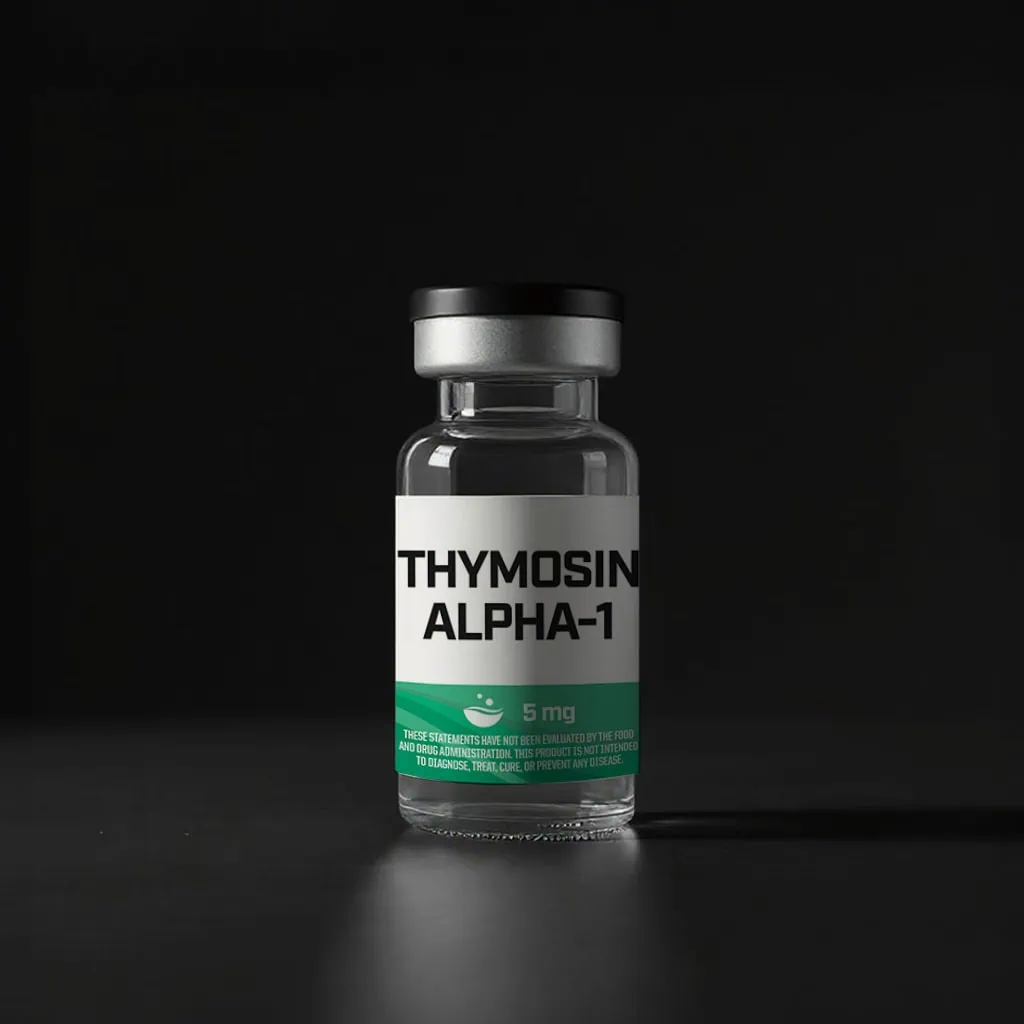
Thymosin Alpha-1: Exploring Its Immunity-Boosting Benefits

Key Highlights
- Thymosin alpha-1 is a naturally occurring peptide that plays a vital role in immune regulation.
- It works by enhancing the function of T-cells, which are crucial immune cells for fighting off infections.
- This peptide offers powerful immune support, helping to strengthen your body’s defenses.
- Thymosin alpha-1 provides immune modulation, which helps balance your immune response and reduce inflammation.
- It is being studied for its potential in managing chronic infections and supporting cancer therapy.
- By supporting immune function, thymosin alpha can contribute to overall wellness and longevity.
Introduction
Are you looking for a way to strengthen your body’s natural defenses? Meet thymosin alpha-1, a powerful peptide that is gaining attention for its remarkable ability to provide immune support. This naturally occurring substance plays a crucial role in maintaining a healthy immune system. By enhancing your immune function and promoting better immunity, thymosin alpha-1 can help you feel your best. Let’s explore what this peptide is and how it works to keep your body resilient and protected against illness.
Understanding Thymosin Alpha-1
Thymosin alpha-1 is a key player in your body’s defense system. It’s an amino acid peptide originally found in the thymus gland, an organ essential for proper immune system function. This peptide helps orchestrate a healthy immune response.
As we get older, the thymus gland becomes less active, leading to a decrease in thymosin production. This decline can weaken our immunity. Supplementing with thymosin alpha-1 can help restore this balance, giving your immune system the boost it needs. We’ll now look closer at its origins and how it functions.
Definition and Natural Origins
So, what exactly is thymosin alpha-1? It is a naturally occurring peptide, a small protein made up of 28 amino acids. Your body produces it within the thymus gland, which is a small organ located behind your breastbone that is central to your immune system’s development.
This peptide is a critical component for maintaining robust immune function. It acts as a messenger, signaling your body to produce and activate specific immune cells. These cells are your primary defenders against infections, viruses, and other harmful invaders.
Think of the thymus gland as the training ground for your immune system’s soldiers. Thymosin alpha-1 is the instructor that ensures these soldiers, or immune cells, are ready for battle. Without adequate levels of this peptide, your immune response may not be as effective as it could be.
How Thymosin Alpha-1 Functions in the Body
Thymosin alpha-1 works primarily through immune modulation, meaning it helps regulate and balance your immune system. Instead of simply boosting immune activity across the board, it intelligently adjusts the immune response based on what your body needs.
One of its main jobs is to support the thymus gland in maturing T-cells, a type of white blood cell. These specialized immune cells are responsible for identifying and destroying infected or abnormal cells. By enhancing T-cell development, thymosin alpha-1 strengthens your body’s ability to fight off threats.
Furthermore, this peptide influences immune signaling pathways. It encourages the production of helpful signaling molecules that coordinate the immune response, ensuring all your immune cells work together efficiently. This coordinated effort leads to a more effective and balanced defense system.
The Science Behind Immune Modulation
The concept of immune modulation is central to how thymosin alpha-1 works. It’s not about putting your immune system into overdrive; it’s about achieving a state of immune balance. This peptide helps manage immune function by ensuring it responds appropriately to threats without overreacting.
Thymosin alpha-1 achieves this immune regulation by influencing various immune cells, including T-cells and dendritic cells. It helps fine-tune their activity, promoting a strong defense when necessary while calming things down to prevent excessive inflammation. Let’s examine its specific effects on T-cells and cytokine production.
Impact on T-Cell Maturation and Activity
A primary function of thymosin alpha-1 is its profound impact on T-cells. These immune cells are born in the bone marrow and travel to the thymus gland to mature. Thymosin alpha-1 acts as a key signal in this maturation process, helping transform immature T-cells into fully functional defenders.
Once matured, these T-cells are dispatched throughout the body to seek and destroy pathogens and abnormal cells. Thymosin alpha-1 continues to support their activity, enhancing their ability to mount a swift and effective immune response when an infection is detected.
This process of immune modulation ensures your immune system has a well-trained army of T-cells ready to protect you. By supporting both the development and function of these crucial immune cells, thymosin alpha-1 significantly strengthens your overall immune defenses.
Regulation of Cytokine Production
Cytokines are proteins that act as messengers for your immune system, coordinating its response to infection and inflammation. Thymosin alpha-1 plays a crucial role in the regulation of cytokine production, ensuring a balanced immune reaction.
It helps increase the production of beneficial cytokines, such as Interleukin-2 and interferon-gamma, which are vital for a strong immune response. At the same time, it helps control the levels of inflammatory cytokines, which, in excess, can cause damage to healthy tissues. This is a key aspect of its immune modulation capabilities.
By fine-tuning immune signaling, thymosin alpha-1 promotes a state of immune regulation. This balanced immune activity helps your body fight infections effectively while preventing the chronic inflammation that can contribute to various health issues.
Key Health Benefits of Thymosin Alpha-1
The potential benefits of thymosin alpha-1 are extensive, primarily focusing on enhancing your immune system. By providing robust immune support, this peptide can improve your immune resilience and overall health. It helps optimize immune function, making your body better equipped to handle a variety of challenges.
From fighting off common illnesses to managing chronic infections, thymosin alpha-1 offers a promising approach to strengthening your natural defenses. Let’s explore some of the key advantages, including boosting immune strength and its role in managing long-term health conditions.
Boosting Immune System Strength
One of the most significant advantages of thymosin alpha-1 is its ability to fortify your immune system. By enhancing immune activity in a controlled manner, it helps build immune resilience against a wide range of pathogens. This means you may experience fewer infections and recover more quickly when you do get sick.
This peptide provides powerful immune support by optimizing your body’s natural defense mechanisms. It ensures that your immune response is both strong and well-regulated, achieving a healthy immune balance. Key benefits include:
- Enhanced Defenses: Strengthens your body’s ability to fight off viral and bacterial infections.
- Improved Surveillance: Optimizes the immune system’s capacity to identify and eliminate threats.
Ultimately, using thymosin alpha-1 can lead to a more robust and reliable immune system. It empowers your body to protect itself, contributing to better overall health and well-being.
Chronic Infection Management Support
Thymosin alpha-1 has been clinically studied for its role in helping manage chronic infections. When your immune system is constantly fighting a persistent pathogen, it can become exhausted. This peptide can help restore proper immune system function, giving your body the upper hand.
For individuals dealing with chronic viral infections, thymosin alpha-1 offers valuable immune support. It helps bolster the immune defense against these persistent invaders, which can be difficult for the body to clear on its own. This includes support for:
- Hepatitis B and Hepatitis C: Studies have explored its use in restoring immune competence against these viruses.
- Other Viral and Bacterial Infections: It helps strengthen the body’s response to a variety of long-term infections.
By enhancing your body’s natural ability to fight back, thymosin alpha-1 can be a helpful tool in the comprehensive management of chronic health conditions.
Role in Reducing Inflammation
Beyond boosting defenses, thymosin alpha-1 plays a vital part in controlling inflammatory responses. While inflammation is a natural part of the healing process, chronic inflammation can be harmful. This peptide helps prevent the immune system from overreacting and causing unnecessary inflammation.
Through its immune modulation effects, thymosin alpha-1 promotes immune regulation. It helps balance the signals that trigger inflammation with those that resolve it, ensuring a healthier and more controlled response. This is particularly beneficial for conditions associated with chronic inflammation.
By helping to maintain a balanced immune function, thymosin alpha-1 can reduce the burden of persistent, low-grade inflammation. This not only eases symptoms but also supports long-term health, as chronic inflammation is linked to numerous diseases.
Thymosin Alpha-1 in Medical Treatments
Due to its powerful effects on the immune system, thymosin alpha-1 has found its place in various medical therapies. It is often used as a form of immunotherapy to help restore or enhance immune function under the guidance of a healthcare professional.
As one of the well-researched peptide therapies available, it provides targeted immune support for patients with specific health concerns. All treatments require physician supervision to ensure safety and effectiveness. Let’s look at how it’s used in immunotherapy protocols and for chronic illness management.
Use in Immunotherapy Protocols
Thymosin alpha-1 is a valuable component of many immunotherapy protocols. Immunotherapy aims to harness the body’s own immune system to fight disease, and this peptide is particularly effective at achieving that goal through its immune modulation properties.
It works by enhancing the immune response against abnormal cells and pathogens. This makes it a useful adjunct in treatments where a stronger immune function is desired. As one of the leading peptide therapies, it is often integrated into comprehensive treatment plans to:
- Boost Immune Function: It helps activate and mature key immune cells.
- Regulate Immune Response: It ensures the immune system attacks threats without causing excessive damage to healthy tissue.
By intelligently guiding the immune system, thymosin alpha-1 can improve the outcomes of various immunotherapies, offering patients a more balanced and effective treatment approach.
Applications in Chronic Illness Management
Thymosin alpha-1 has shown promise in managing a variety of chronic illnesses, particularly those involving a compromised or dysregulated immune system. For individuals battling chronic infections, it provides essential immune support to help the body regain control.
Its applications extend to managing chronic viral infections like Hepatitis B and C, where it helps restore immune function. Furthermore, its ability to balance the immune system makes it a subject of interest for autoimmune diseases. In these conditions, the immune system mistakenly attacks the body’s own tissues. Thymosin alpha-1 may help by:
- Regulating Overactive Immune Responses: It promotes immune balance, potentially reducing the severity of autoimmune activity.
- Supporting Immune Competence: It helps restore normal immune function in those with compromised systems.
By addressing the underlying immune dysfunction, thymosin alpha-1 offers a supportive role in the long-term management of these complex conditions.
Thymosin Alpha-1 for Wellness and Longevity
Beyond treating specific conditions, thymosin alpha-1 is becoming a popular tool for promoting general wellness and longevity. A strong and balanced immune system is a cornerstone of a long, healthy life, and this peptide provides targeted immune support to help you achieve that.
By maintaining optimal immune function, you can better protect your body from age-related decline and daily stressors. This proactive approach to health helps ensure your immune system remains resilient for years to come. Let’s see how it can support age-related immune decline and enhance physical recovery.
Age-Related Immune Decline Support
As we age, our immune function naturally weakens in a process called immunosenescence. A key reason for this is that thymus function declines over time, leading to reduced production of thymosin alpha-1 and fewer effective T-cells. This makes older adults more susceptible to infections.
Thymosin alpha-1 therapy can help counteract this decline. By supplementing the body’s natural levels, it provides crucial immune support to restore a more youthful immune response. This can lead to a variety of benefits for aging individuals:
- Restored Immune Activity: It helps rejuvenate the immune system by stimulating thymic activity and T-cell production.
- Enhanced Immune Regulation: It promotes a balanced immune response, reducing the risk of both infection and chronic inflammation.
By addressing the root cause of age-related immune weakness, thymosin alpha-1 can help you maintain a strong defense system as you get older.
Enhancing Recovery and Physical Performance
Did you know your immune system plays a role in physical performance and recovery? Intense exercise can temporarily suppress immune function, but a strong immune system can help you bounce back faster. Thymosin alpha-1 offers immune support that can benefit athletes and active individuals.
By ensuring your immune cells are functioning optimally, this peptide helps your body manage the stress of physical exertion, leading to faster recovery times. This can also be beneficial for individuals experiencing chronic fatigue, as a well-regulated immune system contributes to better energy levels. Potential benefits include:
- Improved Recovery: A supported immune function helps repair muscle tissue and reduce downtime.
- Better Overall Health Status: It can contribute to overall wellness, which may indirectly support goals like improved performance or weight loss.
By keeping your immune system in top shape, thymosin alpha-1 helps you stay active, recover efficiently, and perform at your best.
Thymosin Alpha-1 and Cancer Therapy
The role of thymosin alpha-1 in cancer therapy is an exciting area of research. Because cancer involves the growth of abnormal cells that evade the immune system, treatments that enhance the immune response are highly valuable.
Through its immune modulation effects, thymosin alpha-1 can help stimulate the body’s immune cells to recognize and attack cancer cells. It is being explored as an adjunctive treatment to support patients undergoing conventional cancer treatment. Let’s review the research and its applications in oncology.
Research Evidence and Clinical Studies
Numerous clinical studies have investigated the use of thymosin alpha-1 in cancer therapy. A comprehensive review of the literature highlights its potential to improve outcomes by enhancing the patient’s immune response to cancer. For example, a systematic review by Tuthill et al. examined its role across various cancers.
These studies suggest that thymosin alpha-1 works through immune modulation, helping to activate key immune cells like T-cells and natural killer cells, which are critical for fighting tumors. It helps restore immune function that may be suppressed by the cancer itself or by treatments like chemotherapy.
The research points toward its ability to support the immune system in recognizing and eliminating malignant cells. Here is a summary of findings from various clinical studies:
| Study Focus | Finding | Implication for Cancer Therapy |
|---|---|---|
| Melanoma | Increased survival rates when combined with chemotherapy. | May enhance the effectiveness of standard treatments. |
| Lung Cancer | Improved immune parameters and quality of life. | Can support patient well-being during treatment. |
| Liver Cancer | Reduced recurrence rates post-surgery. | Helps the immune system prevent cancer from returning. |
Adjunctive Use in Oncology Treatments
Thymosin alpha-1 is often used as an adjunctive, or supportive, therapy alongside conventional cancer treatments like chemotherapy and radiation. These treatments can be harsh on the body and often suppress immune function, leaving patients vulnerable to infections.
By providing immune support, thymosin alpha-1 helps mitigate some of these side effects. It stimulates the production of new immune cells, helping to restore a healthy immune function even while the patient is undergoing rigorous treatment. This dual action is a key benefit:
- Strengthening Immune Defense: It helps the body fight off infections during treatment.
- Enhancing Anti-Tumor Activity: Through immune modulation, it may help the immune system better target cancer cells, such as in lung cancer.
This supportive role makes thymosin alpha-1 a valuable tool in a comprehensive cancer treatment plan, potentially improving both tolerance to therapy and overall outcomes.
Forms and Dosages of Thymosin Alpha-1
Thymosin alpha-1 is typically administered in specific forms and dosages to ensure its effectiveness. As with many peptide therapies, the most common method is a subcutaneous injection, which delivers the peptide directly into the bloodstream for maximum absorption.
A healthcare provider will determine the appropriate dosage and frequency based on your individual needs and health goals. These personalized treatment plans are designed to provide optimal immune support safely. We’ll now discuss the different delivery methods and typical dosing guidelines.
Injection vs. Other Delivery Methods
When it comes to peptide therapies like thymosin alpha-1, the delivery method is crucial for ensuring the body can use it effectively. The most common and effective method is a subcutaneous injection, which involves injecting the peptide just under the skin.
This method allows the thymosin alpha-1 to be absorbed directly into the bloodstream, bypassing the digestive system where it would be broken down and rendered ineffective. Other potential delivery methods, such as oral pills or nasal sprays, are generally not used because the peptide’s structure doesn’t allow for proper absorption through these routes.
A subcutaneous injection ensures you receive the full dose for maximum immune support. Here’s a comparison:
| Delivery Method | Effectiveness | Why It’s Used (or Not Used) |
|---|---|---|
| Subcutaneous Injection | High | Bypasses the digestive system, allowing for direct absorption and maximum bioavailability. This is the standard for most peptide therapies. |
| Oral (Pills/Capsules) | Low | Peptides are proteins that get broken down by stomach acids, making oral delivery ineffective. |
| Intramuscular Injection | High | Also an effective method, delivering the peptide into the muscle. Subcutaneous is often preferred for ease of self-administration. |
Typical Dosing Guidelines in the United States
In the United States, dosing guidelines for thymosin alpha-1 are determined by a qualified healthcare provider. Treatment plans are customized to each patient’s specific health needs, and all therapy is conducted under physician supervision.
A standard therapeutic dosage often starts at around 1.6 mg per injection, administered 2-3 times per week. The treatment cycle can last anywhere from 4 to 12 weeks, depending on the therapeutic goals. Your physician will monitor your progress and adjust the protocol as needed to ensure optimal results.
When considering this therapy, it is important to work with a reputable clinic that offers:
- Personalized Treatment Plans: Dosing is tailored to your unique immune status and objectives.
- Transparent Pricing: You should receive clear information about the costs associated with your treatment.
Following prescribed dosing guidelines is essential for achieving the desired immune support safely and effectively.
Safety Profile and Side Effects
Thymosin alpha-1 is known for having an excellent safety profile. After more than 40 years of clinical research and use worldwide, it has been shown to be well-tolerated by most patients. The risk of adverse effects is minimal, making it a safe option for long-term immune support.
Because it is a substance naturally found in the body, it works in harmony with your immune function to promote overall health. Let’s take a look at the commonly reported side effects and considerations for long-term use.
Commonly Reported Side Effects
Thymosin alpha-1 boasts an impressive safety profile with very few reported adverse effects. Most individuals who use this peptide experience no side effects at all. The patient tolerability rate is reported to be as high as 98%.
The most common issue reported is a mild reaction at the injection site. This is typical for many injectable therapies and is usually not a cause for concern. These reactions are temporary and resolve on their own. The main things to look out for are:
- Mild Redness or Tenderness: Some people may notice slight skin irritation where the injection was given.
- Occasional Swelling or Itching: This can also occur at the injection site but typically subsides quickly.
Due to its role in immune modulation and its natural origin, thymosin alpha-1 does not typically cause systemic side effects. It is designed to restore balance to the immune function, not disrupt it.
Considerations for Long-Term Use
Thymosin alpha-1 is generally considered safe for long-term use, especially when administered under the supervision of a healthcare professional. Its excellent safety profile and natural mechanism of action make it suitable for extended protocols aimed at maintaining optimal immune function.
Over decades of clinical use, no significant long-term adverse effects have been identified. The therapy focuses on immune regulation, helping your body maintain a healthy balance rather than constantly over-stimulating it. This approach supports sustainable immune health. Key considerations for long-term use include:
- Physician Supervision: Regular check-ins and lab monitoring are essential to track progress and ensure continued safety and efficacy.
- Personalized Protocols: Dosing and frequency may be adjusted over time to match your body’s evolving needs for immune support.
With proper medical oversight, thymosin alpha-1 can be a safe and effective strategy for achieving and maintaining a resilient immune system over the long run.
Who Should Consider Thymosin Alpha-1?
So, who is the ideal candidate for thymosin alpha-1 therapy? This treatment may be beneficial for anyone looking to enhance their immune function and achieve a better immune balance. It’s particularly valuable for those with compromised or dysregulated immune systems.
Whether you’re dealing with frequent illnesses, a chronic condition, or simply want to optimize your health status, thymosin alpha-1 offers powerful immune support. Let’s explore the profiles of ideal candidates and some important cautions to consider.
Ideal Candidate Profiles
The ideal candidate for thymosin alpha-1 therapy is someone seeking to strengthen their immune system in a targeted and balanced way. This includes a wide range of individuals with different health goals and concerns.
People who experience frequent infections or feel their immune system isn’t performing at its best may find significant benefits. It’s also a great option for those looking for proactive immune support to maintain wellness as they age. Specific profiles that may benefit include:
- Individuals with Immune Dysfunction: This includes those with weakened immune function due to age, chronic stress, or illness.
- Those with Chronic Conditions: People managing chronic viral infections or looking for immune regulation support for autoimmune conditions could be candidates.
A consultation with a healthcare provider can help determine if thymosin alpha-1 is the right choice for your specific needs.
Cautions and Contraindications
While thymosin alpha-1 has a strong safety record, there are some cautions and contraindications to be aware of. It’s important to discuss your full health history with a physician to ensure this therapy is appropriate for you.
Because it modulates immune system function, individuals with certain conditions should exercise caution. For example, those experiencing an active flare-up of an autoimmune disease may need to wait until the flare subsides before starting therapy. The goal is to provide balanced immune support, not to overstimulate an already active system. Key contraindications may include:
- Pregnancy: The effects of thymosin alpha-1 during pregnancy have not been studied, so it is generally not recommended.
- Certain Cancers: While it can be a helpful adjunct, its use should be carefully evaluated by an oncologist.
A thorough medical evaluation will help identify any potential risks and ensure you can use thymosin alpha-1 safely to avoid adverse effects.
Finding Thymosin Alpha-1 and Medical Supervision
If you’re interested in thymosin alpha-1, it’s essential to seek it through a qualified healthcare provider. This therapy requires medical supervision to ensure it is administered safely and effectively. A professional can assess your immune function and create personalized treatment plans.
Working with an experienced provider is the best way to get the immune support you need while prioritizing your health and safety. Let’s discuss how to choose the right provider and understand the legal status of this peptide therapy.
How to Choose a Qualified Healthcare Provider
Choosing the right healthcare provider is a critical step in your journey with thymosin alpha-1. You’ll want to find a clinic or physician with experience in peptide therapies and regenerative medicine.
Look for a provider who takes a comprehensive approach to your health. They should conduct thorough testing to assess your immune function before creating customized treatment plans. This ensures that the therapy is tailored to your specific needs. When searching for a provider, look for:
- Expertise and Physician Supervision: Ensure the clinic is led by qualified doctors who oversee all treatments.
- Personalization and Transparency: A good provider will offer personalized protocols and transparent pricing, so you know exactly what to expect.
At Beverly Hills Rejuvenation Center, our expert team offers comprehensive consultations and personalized care to help you achieve your wellness goals with thymosin alpha-1.
Legal Status and Availability in the US
In the United States, thymosin alpha-1 is available as a prescription therapy through a licensed healthcare provider. It is typically sourced from compounding pharmacies, which create customized medications based on a physician’s prescription.
This peptide is considered a form of regenerative and preventive medicine and is generally not covered by insurance. However, its availability through medical clinics specializing in peptide therapies and wellness makes it accessible to those seeking advanced immune support. To access treatment, you should:
- Schedule a Consultation: Meet with a medical team at a reputable clinic to discuss your health goals.
- Undergo Required Testing: Baseline lab work is necessary to determine if the therapy is appropriate for you.
Clinics like Beverly Hills Rejuvenation Center offer physician-supervised thymosin alpha-1 therapy, ensuring you receive high-quality care and a legitimate product.
Conclusion
In conclusion, Thymosin Alpha-1 presents a powerful opportunity for those seeking to enhance their immune health and overall well-being. Its role in immune modulation, inflammation reduction, and chronic illness management is backed by an array of scientific research, making it a compelling option for individuals looking to support their health. Whether you’re navigating age-related immune decline or exploring adjunctive therapies in oncology, understanding its applications and benefits is crucial. If you’re curious about how Thymosin Alpha-1 can fit into your wellness journey, don’t hesitate to reach out for a free consultation with our healthcare experts to get personalized advice and guidance tailored to your needs.
Frequently Asked Questions
Is Thymosin Alpha-1 safe for long-term use?
Yes, thymosin alpha-1 is generally considered safe for long-term use due to its excellent safety profile and minimal adverse effects. With proper physician supervision, it can be used in extended protocols to maintain optimal immune function without significant risks, making it a sustainable option for ongoing immune support.
Can Thymosin Alpha-1 help with autoimmune conditions?
Thymosin alpha-1 may help with autoimmune conditions by promoting immune modulation. Instead of boosting the immune system, it helps create immune balance, potentially calming the overactive responses that characterize these conditions. It provides immune support by regulating activity rather than stimulating it, but consultation with a doctor is essential.
Where can I access treatment with Thymosin Alpha-1?
In the United States, you can access thymosin alpha-1 treatment through a qualified healthcare provider specializing in peptide therapies and regenerative medicine. Clinics like Beverly Hills Rejuvenation Center offer this therapy under physician supervision, ensuring you receive a personalized and safe treatment plan.

Reviews
There are no reviews yet.