
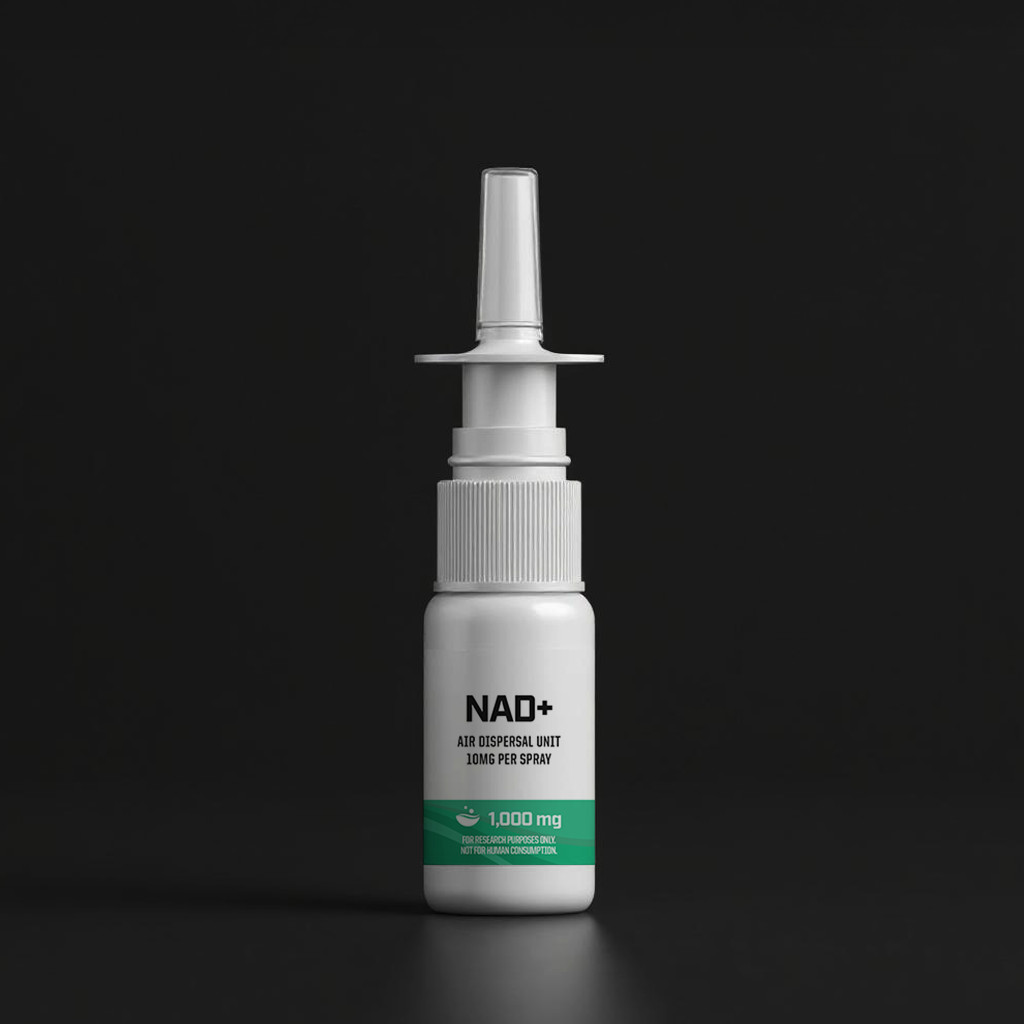
Understanding NAD+: Its Vital Role in Health and Aging
Key Highlights
Here are the key takeaways from our discussion on Nicotinamide Adenine Dinucleotide (NAD+):
- NAD+ is a crucial coenzyme found in every living cell, playing a vital role in energy production and cellular health.
- The role of NAD+ includes powering metabolism and supporting enzymes that repair DNA damage.
- As part of the natural aging process, NAD+ levels decline, which can impact how well your cells function.
- Low NAD+ levels have been linked to fatigue, inflammation, and accelerated aging.
- You can boost NAD+ through lifestyle choices like diet and exercise, as well as with targeted therapies.
Introduction
Have you ever wondered what powers your body at the most fundamental level? Meet Nicotinamide Adenine Dinucleotide, or NAD+, a multitasking molecule essential for countless cellular processes. It’s a key player in converting food into energy, repairing DNA, and supporting overall cell health. As we age, our NAD+ levels naturally decrease, which can affect our energy levels and contribute to the aging process. This has sparked significant interest in ways to support healthy aging by boosting NAD+, with many clinical trials exploring its potential benefits.
What Is NAD+? Essential Functions and Significance
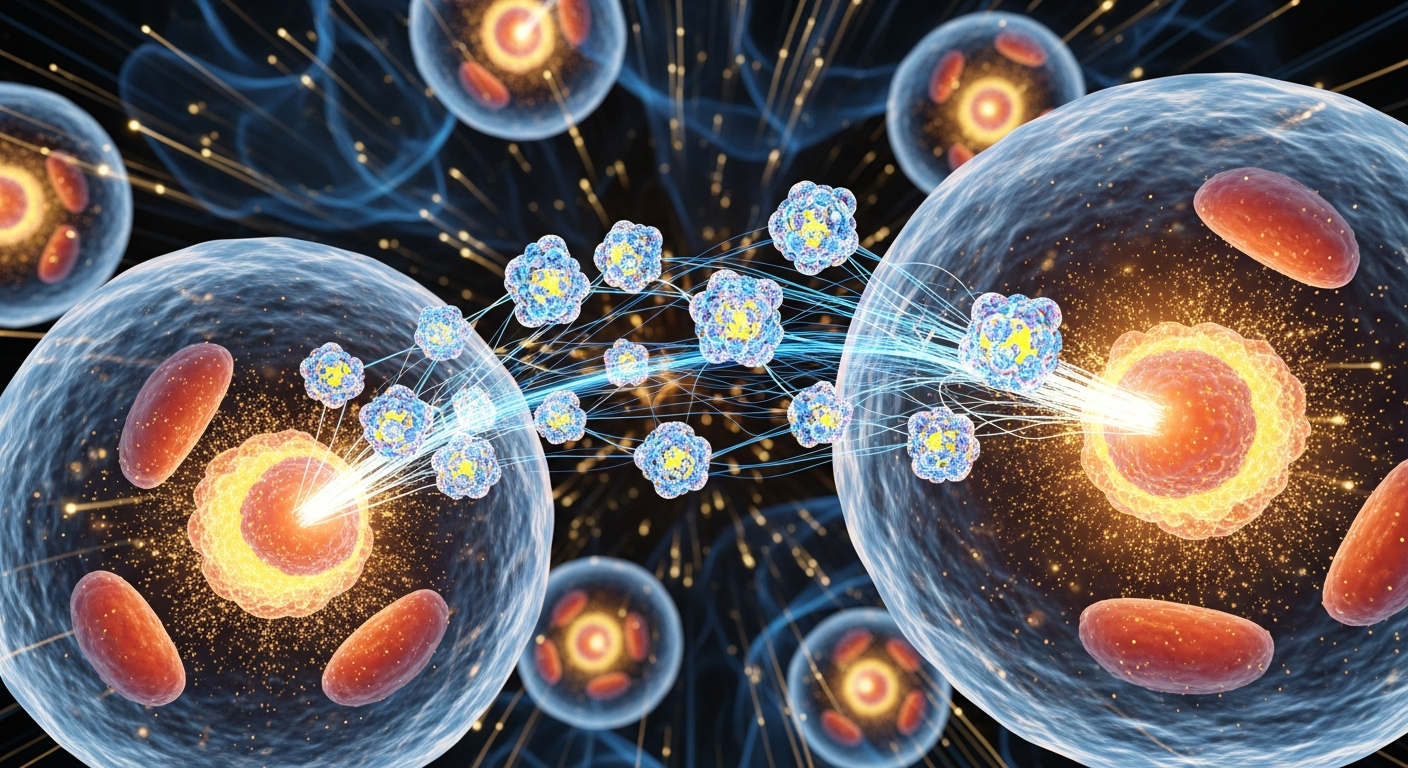
Nicotinamide Adenine Dinucleotide (NAD+) is an essential coenzyme present in every single cell of your body. Think of it as a delivery driver for your cells, carrying energy to the mitochondria, the cellular powerhouses, to fuel metabolic reactions. This process is fundamental to energy production and overall cellular function. Without enough NAD+, your cells can’t run smoothly.
The importance of NAD+ extends beyond just energy; it also acts as a raw material for critical enzymes. These enzymes regulate cell health and repair damaged DNA. As levels decline with age, these vital functions can become compromised, making it a key molecule in the conversation about aging and longevity. Let’s look closer at what this molecule is and the roles it plays.
Defining NAD+: The Basics of Nicotinamide Adenine Dinucleotide
So, what exactly is Nicotinamide Adenine Dinucleotide? It’s a coenzyme, a helper molecule, that is found in all living cells. Its chemical structure, composed of nicotinamide adenine and adenine dinucleotide, allows it to participate in hundreds of chemical reactions throughout the body. Life as we know it would simply not be possible without it.
The primary role of is to act as an electron carrier. During metabolic processes, it accepts and donates electrons, which is a crucial step in converting the food you eat into usable cellular energy. This function makes NAD+ a central figure in your body’s energy management system.
Essentially, every cell in your body, from your brain to your muscles, relies on to power its daily operations. It’s involved in so many processes that it’s difficult to find a metabolic pathway that doesn’t involve this critical molecule in some way.
Why NAD+ Matters: Key Roles in Cellular Health
Beyond its role in energy metabolism, is vital for maintaining overall cellular health. It acts as a substrate, or fuel, for several important enzyme families that are essential for keeping your cells in top condition. When these enzymes are active, they consume to perform their jobs.
Two of the most critical groups of -dependent enzymes are Sirtuins and PARPs. These enzymes are crucial for cell health and have distinct functions:
- Sirtuins: These enzymes use NAD+ to regulate gene expression, manage cellular stress responses, and maintain the health of your mitochondria.
- PARPs (Poly-ADP Ribose Polymerases): When your DNA gets damaged, PARPs spring into action, using NAD+ to detect and repair the damage, protecting your genetic blueprint.
The activity of these enzymes highlights why NAD+ is so much more than just an energy molecule. It is directly involved in protecting and repairing your cells, linking it to longevity and the body’s ability to handle stress.
How NAD+ Powers Cellular Energy Production
At the heart of cellular energy production is NAD+. This powerful coenzyme is indispensable for converting the nutrients from your food into adenosine triphosphate (ATP), the primary energy currency of your cells. When your NAD+ levels are optimal, your mitochondria can function more efficiently, leading to robust energy metabolism.
This process of ATP generation is what fuels nearly every action in your body, from muscle contractions to brain activity. NAD+ is a key facilitator in the complex series of reactions that make this possible. Let’s explore how NAD+ specifically contributes to the electron transport chain and its direct impact on ATP generation.
NAD+ in the Electron Transport Chain
A major part of NAD+’s job in energy production happens within the electron transport chain, a series of protein complexes located in the mitochondria. In the earlier stages of metabolism, like glycolysis and the citric acid cycle, NAD+ picks up high-energy electrons from the breakdown of glucose and other nutrients, becoming NADH.
This NADH molecule then travels to the electron transport chain and donates these electrons. The transfer of electrons from NADH down the chain releases energy. This energy is used to pump protons across the mitochondrial membrane, creating a gradient that is essential for making ATP.
This process highlights the direct link between NAD+ and efficient mitochondrial function. Without NAD+ to shuttle electrons, the entire system would grind to a halt, severely limiting your cells’ ability to produce the energy they need to survive and thrive.
Impact on ATP Generation
The final step in cellular energy production, ATP generation, is directly impacted by the availability of NAD+. As electrons move down the transport chain—a journey started by NAD+—the energy they release drives the creation of ATP. Essentially, more NAD+ means more fuel for the energy-making machinery.
When NAD+ levels are high, your cells can efficiently convert nutrients into ATP, which can translate to higher energy levels and improved overall vitality. This is why NAD+ is so critical for metabolic reactions that sustain life. Its role is central to keeping your cellular engines running at full capacity.
The table below outlines the key stages where NAD+ contributes to energy production, leading to ATP generation.
| Metabolic Stage | Role of NAD+ |
|---|---|
| Glycolysis | NAD+ accepts electrons during the breakdown of glucose. |
| Citric Acid Cycle | NAD+ is reduced to NADH, capturing energy from metabolic intermediates. |
| Electron Transport Chain | NADH donates electrons, initiating the process that drives ATP synthesis. |
NAD+ and Cellular Repair Mechanisms
Your cells are constantly working to repair themselves from daily damage, and NAD+ is a key player in this process. It acts as a crucial fuel source for enzymes that specialize in cellular repair, particularly DNA repair. This helps maintain genomic stability and ensures your cells function correctly.
When cells are under stress or have damaged DNA, repair enzymes like PARPs are activated and consume large amounts of. This highlights the molecule’s importance in maintaining cellular integrity. We will now explore how NAD+ supports DNA repair and its role in broader cellular regeneration.
DNA Repair and Genomic Stability
One of the most critical functions its role in DNA repair. Your DNA is constantly exposed to damage from environmental factors and normal metabolic processes. To protect your genetic information, your cells have sophisticated repair systems, and a key part of this system is an enzyme family called PARPs.
When PARPs detect DNA damage, they use cellular NAD+ as a substrate to signal and coordinate the repair process. This rapid response is essential for maintaining genomic stability and preventing mutations that can lead to disease. Without sufficient NAD+, the ability of PARPs to repair DNA is compromised.
Clinical studies are actively exploring how boosting levels might support these protective mechanisms. By ensuring there’s enough available, we may be able to enhance the body’s natural ability to combat DNA damage, promoting healthier aging at a molecular level.
NAD+ in Regeneration and Cell Recovery
Beyond just repairing DNA, NAD+ is integral to broader processes of regeneration and cell recovery. It supports the health and function of mitochondria, which are not only powerhouses but also key regulators of many cellular processes. Healthy mitochondria are essential for cells to recover from stress and injury.
Evidence from preclinical research and animal models suggests that boosting can support the body’s regenerative capacity. For instance, maintaining adequate levels may aid in the repair and recovery of tissues by supporting the function of stem cells and reducing inflammation, which can hinder the healing process.
By fueling these fundamental cellular processes, helps ensure that your cells can bounce back from damage and continue to perform their specific jobs effectively. This support for cell function is crucial for maintaining tissue health and overall vitality as you age.
The Connection Between NAD+ and Aging
A compelling body of research links NAD+ directly to the aging process. One of the key discoveries is that the decline of NAD+ is a natural part of getting older. This reduction has been observed in multiple tissues in older adults, correlating with many of the hallmarks of aging, such as decreased cellular efficiency and increased inflammation.
This connection has made NAD+ a focal point in the pursuit of healthy aging. By understanding why NAD+ levels drop and how this impacts longevity pathways, scientists are exploring strategies to counteract this decline and support cellular resilience throughout life. Let’s examine the age-related decline and its connection to longevity.
Age-Related Decline in NAD+ Spray Levels
It’s a well-documented fact that the levels of NAD+ in our bodies decrease as we age. Studies have shown that NAD+ levels can drop by as much as 65% between the ages of 30 and 70. This decline of NAD+ isn’t uniform and can vary between different tissues, such as the skin, brain, and muscles.
Why does this happen? The aging process itself brings about increased metabolic stress and DNA damage, which ramps up the activity of NAD+-consuming enzymes like PARPs and CD38. This increased demand can outpace your body’s ability to produce NAD+, leading to low NAD+ levels. Several factors contribute to this decline:
- Increased inflammation and oxidative stress consume NAD+.
- The efficiency of NAD+ production pathways can decrease with age.
This reduction in NAD+ is considered a key feature of the aging process. It compromises the cell’s ability to produce energy, repair itself, and respond to stress, potentially accelerating age-related dysfunction.
NAD+ and Longevity Pathways
It’s intimately linked to several key longevity pathways in the body, most notably through its interaction with sirtuins. Sirtuins are a class of proteins that play a crucial role in regulating cellular health, metabolism, and stress resistance—all of which are tied to longevity. However, sirtuins require to function.
As levels decline with age, sirtuin activity diminishes, which can impair the body’s ability to manage the aging process. This is one reason why strategies like caloric restriction, known to extend lifespan in some animal models, are effective—they can increase levels and activate sirtuins.
Many clinical trials are now investigating whether boosting can produce similar beneficial effects in humans. The goal is to support these natural longevity pathways to promote healthier aging. By replenishing , we may be able to enhance cellular resilience and function, contributing to a longer healthspan.
Factors Affecting NAD+ Levels
While aging is a primary driver of declining NAD+ levels, it’s not the only factor. A variety of lifestyle influences and environmental stressors can accelerate this depletion. Choices you make every day regarding your diet, exercise, and sleep habits can have a significant impact on your body’s NAD+ supply.
Beyond lifestyle, genetic and environmental factors also play a part. Certain conditions and exposures can place a greater demand on your NAD+ resources, contributing to lower levels over time. Let’s look at how your daily habits and other contributors can affect your NAD+ status.
Lifestyle Influences: Diet, Exercise, and Sleep
Your daily lifestyle choices can either support or deplete your NAD+ levels. Things like a poor diet, lack of physical activity, and insufficient sleep can all place significant metabolic stress on your body, increasing the consumption of NAD+.
For example, a diet high in sugar and processed fats can lead to inflammation and oxidative stress, which activates NAD+-consuming repair enzymes. Similarly, a sedentary lifestyle fails to stimulate the pathways that naturally boost NAD+ production. Even poor sleep can disrupt your circadian rhythms, which are closely regulated by NAD+.
On the other hand, positive lifestyle habits can help preserve or even increase your NAD+ levels. These include:
- Diet: Eating a balanced diet rich in NAD+ precursors.
- Exercise: Engaging in regular physical activity, including resistance exercise.
- Sleep: Maintaining a healthy sleep schedule to support circadian rhythms.
- Sun Exposure: Limiting excess sun exposure, which causes DNA damage and consumes NAD+.
Genetic and Environmental Contributors
In addition to lifestyle, certain genetic and environmental contributors can influence your NAD+ levels. Some individuals may have genetic variations that affect the efficiency of their NAD+ production or consumption pathways, making them more susceptible to lower levels.
Environmental factors also play a role. Chronic inflammation, whether from an ongoing illness or exposure to toxins, can put a constant drain on your NAD+ supply. Metabolic disorders are another significant contributor, as they disrupt the body’s energy balance and increase metabolic stress, further depleting NAD+.
Clinical trials are ongoing to better understand how these different factors interact and impact NAD+ metabolism. Recognizing these contributors is important, as it helps paint a more complete picture of why NAD+ levels might be low and what strategies could be most effective for restoring them.
Health Benefits of Boosting NAD+
Given the crucial role of NAD+ in cellular function, it’s no surprise that efforts to boost NAD+ levels are linked to a wide range of potential health benefits. From enhancing energy to supporting brain health, restoring this vital molecule may help improve overall human health and resilience.
Research from numerous clinical trials is beginning to uncover how replenishing NAD+ can make a tangible difference. The potential benefits span multiple systems in the body, highlighting its foundational importance. We will now explore how boosting NAD+ can impact cognitive function and cardiovascular health.
Cognitive Function and Brain Health
The brain is one of the most energy-intensive organs in your body, consuming about 20% of your total energy. This makes it highly dependent on healthy mitochondrial function, which in turn relies on NAD+. As NAD+ levels decline with age, brain cells can struggle to produce enough energy, potentially leading to issues like brain fog and reduced cognitive function.
Preclinical research suggests that boosting NAD+ may have therapeutic potential for supporting brain health. By enhancing energy metabolism in brain cells and protecting against oxidative damage, NAD+ may help guard against age-related cognitive decline. Some studies have even explored its potential in the context of neurodegenerative diseases.
Emerging evidence from human studies shows that NAD+ supplementation can increase NAD+ concentrations in the brain. While more research is needed, this suggests a promising avenue for maintaining cognitive function and supporting long-term brain health as we age.
Heart Health and Metabolic Regulation
Your heart is another incredibly energy-demanding organ, containing more mitochondria per cell than almost any other tissue. Its constant work requires a steady supply of NAD+ to fuel its contractions and maintain cardiovascular function. NAD+ also plays a key role in metabolic regulation, which is closely tied to heart health.
By supporting endothelial function and reducing oxidative stress, NAD+ may help improve circulation and vascular health. Some clinical studies have observed favorable trends associated with boosting NAD+, such as reductions in systolic blood pressure and arterial stiffness, which are key markers of cardiovascular well-being.
Furthermore, because NAD+ is central to managing metabolic disorders, maintaining its levels may help support a healthy metabolism. This can indirectly benefit heart health by helping to regulate factors like blood sugar and fat metabolism. While large-scale human trials are still ongoing, the initial findings are promising.
Natural Ways to Support and Increase NAD+
While targeted therapies are an option, there are also many natural ways to support and boost NAD+ levels in your body. These strategies focus on providing your body with the necessary building blocks and creating an environment that encourages NAD+ production and preservation.
From the foods you eat to your daily habits, simple lifestyle changes can make a significant difference in your cellular energy. By incorporating these practices, you can help your body maintain a healthy supply of this vital molecule. Let’s look at specific dietary and lifestyle recommendations to enhance your levels.
Diet and Nutrition for Enhanced
Your diet is a powerful tool for supporting NAD+ production. Your body can synthesize NAD+ from various precursors found in food, primarily different forms of vitamin B3 and the amino acid tryptophan. Ensuring your nutrition plan includes these building blocks is a great first step.
Foods rich in these precursors can help your body naturally create more NAD+. While dietary sources alone may not be enough to combat significant age-related decline, they form a crucial foundation for healthy NAD+ metabolism.
To enhance your NAD+ levels through diet, focus on incorporating foods rich in these nutrients:
- Niacin (Nicotinic Acid): Found in turkey, chicken, fish, brown rice, and peanuts.
- Tryptophan: Present in eggs, milk, and cheese.
- Nicotinamide Riboside (NR) and Nicotinamide Mononucleotide (NMN): Found in small amounts in milk and some vegetables.
- Green Vegetables and Mushrooms: These also contribute to your intake of B vitamins.
Lifestyle Recommendations: Habits That Make a Difference
Beyond your diet, certain lifestyle habits can have a profound impact on your NAD+ levels. These practices work by either stimulating the body’s natural NAD+ production pathways or by reducing the metabolic stress that depletes NAD+.
Regular exercise, for example, is a well-known way to boost. Physical activity turns on cellular energy sensors that help produce and manage NAD+ more efficiently. Similarly, practices that involve periods of fasting can activate pathways that conserve and regenerate .
Here are a few key lifestyle recommendations to support your levels:
- Regular Exercise: Both high-intensity and resistance exercise have been shown to raise .
- Healthy Sleep: Maintaining a consistent sleep schedule helps regulate circadian rhythms, which are tied to NAD+ function.
- Intermittent Fasting or Caloric Restriction: These practices can activate pathways that boost NAD+.
- Stress Management: Reducing chronic stress can lower inflammation and preserve NAD+.
Conclusion
In summary, understanding NAD+ and its vital role in health and aging is crucial for anyone looking to enhance their well-being. This essential coenzyme not only fuels cellular energy production but also plays a significant part in DNA repair and longevity pathways. As we age, maintaining optimal NAD+ levels can lead to improved cognitive function, heart health, and metabolic regulation. By embracing a lifestyle that prioritizes nutrient-rich diets, regular exercise, and good sleep hygiene, you can naturally support and increase your NAD+ levels. If you’re eager to learn more about how to boost your health through NAD+, don’t hesitate to reach out for a free consultation with our experts!
Frequently Asked Questions
Are supplements effective for health and aging?
Yes, precursor supplements like nicotinamide riboside have been shown in clinical trials to effectively raise levels. Research suggests beneficial effects on cellular health and metabolism. While generally well-tolerated, it is a dietary supplement, so some people may experience mild side effects, making professional guidance important.
Can increased NAD+ levels help prevent age-related diseases?
Boosting NAD+ levels may help support cellular health and counteract aspects of the aging process, which could theoretically reduce the risk of certain age-related diseases. However, clinical studies are still ongoing to determine the full preventive potential of NAD+ in humans. It is not a cure or preventative for any disease.
What are the risks and safety considerations of NAD+ supplementation?
NAD+ precursor supplements are generally considered safe and well-tolerated in clinical trials. Potential side effects are typically mild, such as flushing or nausea, especially with IV drug administration. As with any dietary supplement, it’s wise to consult a healthcare professional before starting, particularly if you have existing health conditions.

Reviews
There are no reviews yet.